
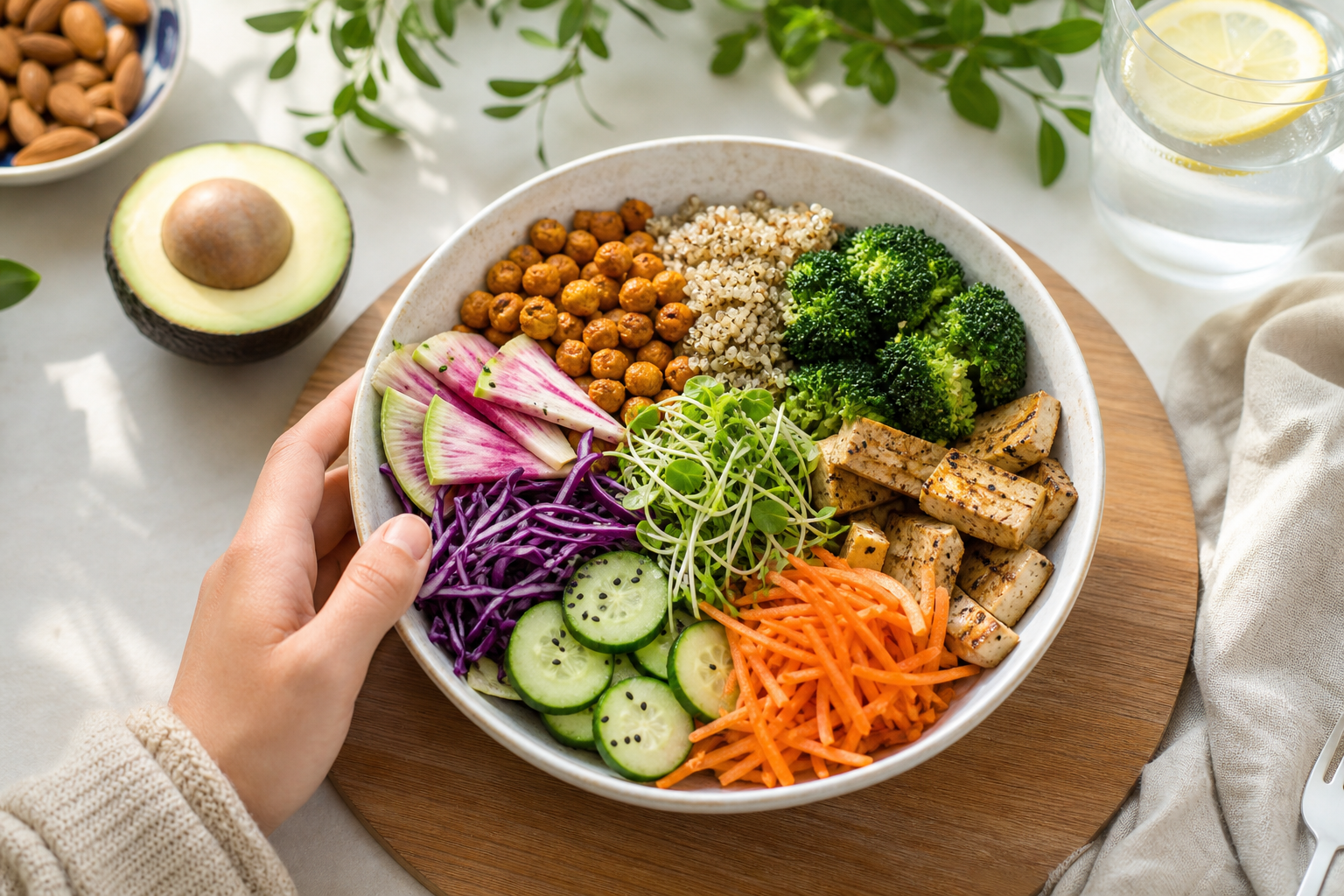
How can I ensure my vegan meals are well-rounded in 2025?
Crafting Well-Rounded Vegan Meals in 2025
As the global shift towards plant-based diets continues to gain momentum, more individuals are embracing veganism for ethical, health, and environmental reasons. In 2025, creating meals that are not only plant-based but also well-rounded and nutritionally balanced is essential for both new adopters and seasoned vegans. This article explores the foundations of a well-rounded vegan diet, covering essential nutrients, protein sources, vitamins, and minerals, while emphasizing seasonal and locally sourced ingredients to enhance flavor and support sustainability.
Nutritional Sources of Essential Amino Acids
One of the fundamental concerns in veganism is ensuring adequate intake of essential amino acids. Unlike animal proteins, most plant proteins are incomplete, meaning they lack one or more essential amino acids. To create well-rounded vegan meals in 2025, it is crucial to incorporate a diverse range of protein sources throughout the day.
Quinoa, soy products (tofu, tempeh, edamame), chia seeds, and hemp seeds provide complete protein
Legumes such as lentils, chickpeas, and black beans can be paired with grains like brown rice or whole wheat bread for a complete amino acid profile
A varied diet of fruits, vegetables, whole grains, nuts, and seeds ensures additional vitamins, minerals, and healthy fats
Emerging plant-based meat alternatives and lab-grown proteins provide improved amino acid profiles
Using nutrition tracking tools and consulting plant-based guidelines helps cover potential gaps and maintain a balanced diet.
Incorporating Varied Plant-Based Proteins
To achieve a well-rounded vegan diet, incorporating a variety of plant-based proteins is essential. Each source offers different amino acids and nutrients.
Legumes (beans, lentils) provide protein and dietary fiber
Nuts and seeds (almonds, hemp, chia, pumpkin seeds) offer protein and healthy fats
Grains such as quinoa provide complete protein and complex carbohydrates
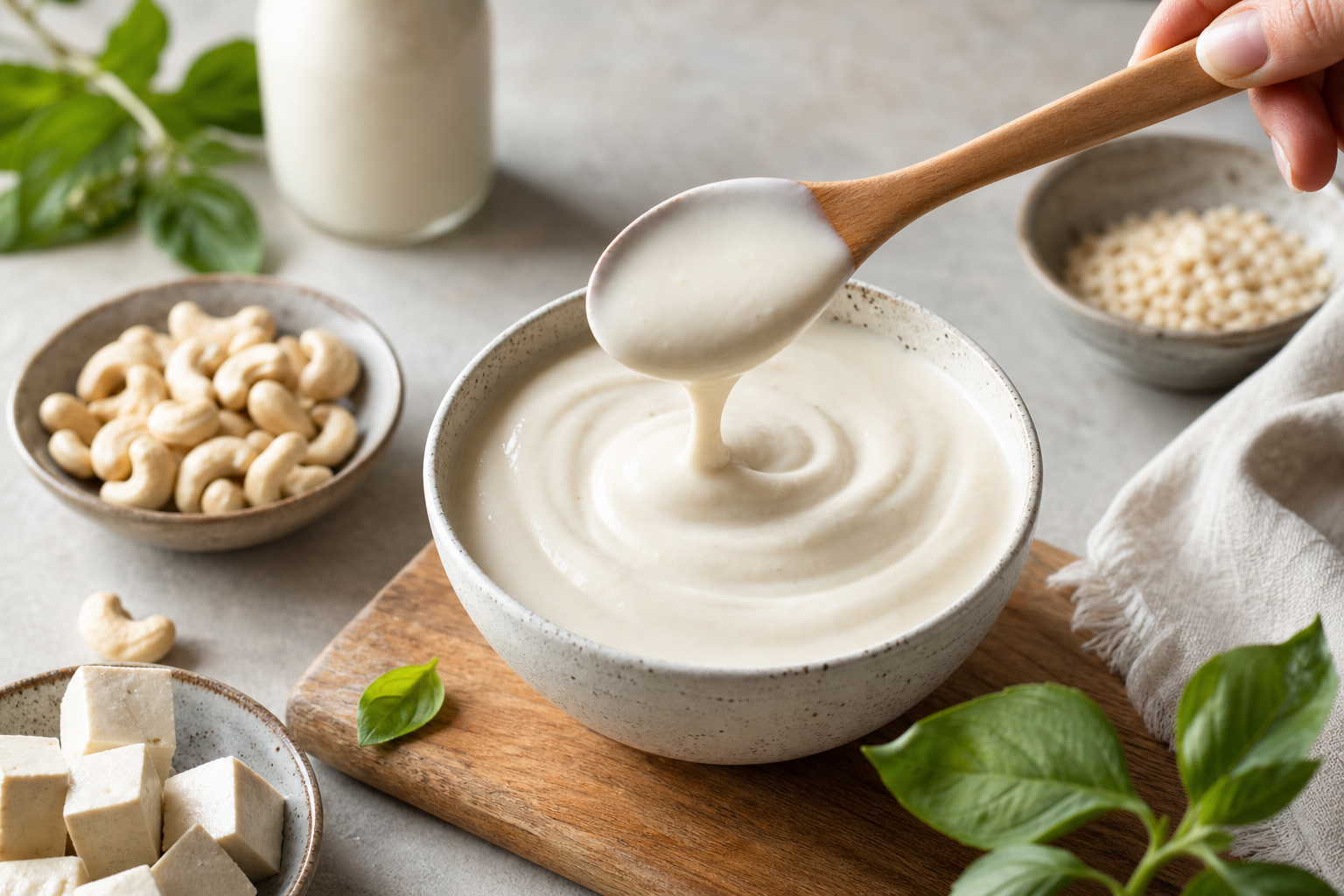
Soy products like tofu and tempeh contain all essential amino acids and are versatile for cooking
Combining proteins (e.g., rice and beans) and using diverse cooking methods enhances both nutrition and flavor. Seasonal protein-rich ingredients can further diversify meals, while meal prepping ensures consistent nutrient intake.
Balancing Macronutrients and Micronutrients
Creating well-rounded vegan meals requires attention to macronutrients—carbohydrates, proteins, fats—and essential micronutrients like vitamin B12, iron, calcium, zinc, and omega-3 fatty acids.
Carbohydrates: whole grains such as quinoa, brown rice, and oats provide energy and fiber
Proteins: legumes, nuts, seeds, tofu, tempeh for muscle repair and growth
Fats: avocados, nuts, seeds, olive oil for cellular function and nutrient absorption
Micronutrients: fortified foods and strategic combinations (e.g., vitamin C with iron-rich greens) enhance absorption
Tools such as food tracking apps and guidance from vegan-specialized dietitians help ensure nutritional adequacy.
Exploring Fortified Foods and Supplements
Fortified foods and supplements play a crucial role in meeting nutrient needs that might be lacking in a plant-based diet.
Fortified plant-based milks, breakfast cereals, and nutritional yeast provide B12, vitamin D, calcium, and iron
Supplements such as vegan multivitamins, B12, and algae-based omega-3s support dietary sufficiency
New fortified products like plant-based cheeses, yogurts, and ready-to-eat meals can enhance nutrient intake
Combining fortified foods, supplements, and a variety of whole foods maximizes nutrient diversity and overall well-being.
Seasonal and Local Ingredient Utilization
Using seasonal and local ingredients enhances the nutritional profile, flavor, and sustainability of vegan meals.
Seasonal produce offers higher nutrient density than out-of-season alternatives
Local sourcing supports regional economies and reduces carbon footprint
CSA programs and farmers’ markets provide fresh, diverse ingredients that inspire creativity
Aligning meals with seasonal availability ensures varied vitamins, minerals, and phytonutrients
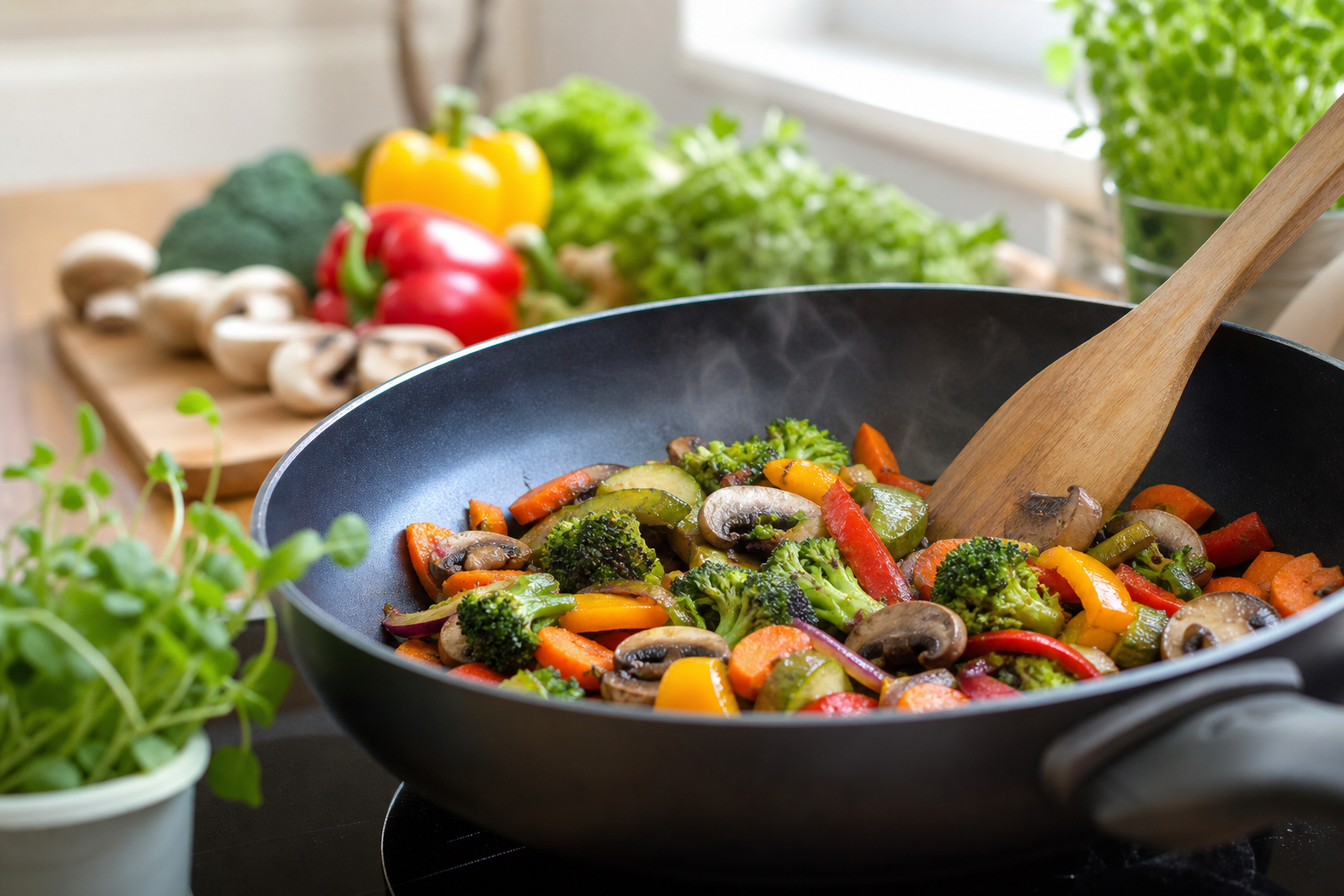
Summer may feature zucchini, tomatoes, and bell peppers, while fall offers squashes, root vegetables, and greens. Embracing seasonal and local produce helps create well-rounded, nutrient-rich vegan meals while positively impacting health, environment, and local communities.
Vegor “The scientist”
Nov-24-2025
Health
Health |
No Comments » on
How can I ensure my vegan meals are well-rounded in 2025?
Leave a Reply Cancel replyYou must be logged in to post a comment.
Reviews & comments
Loading comments…